
Aftercare timeline
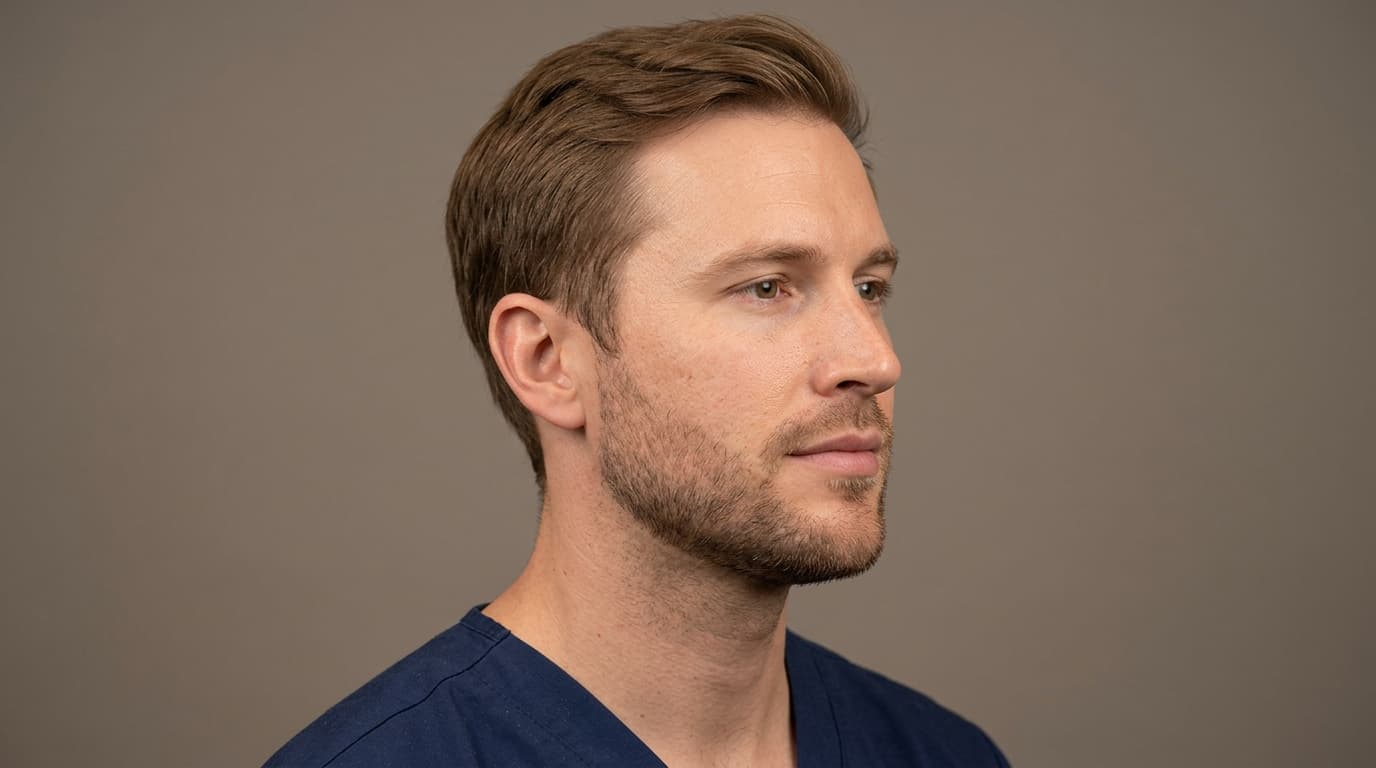
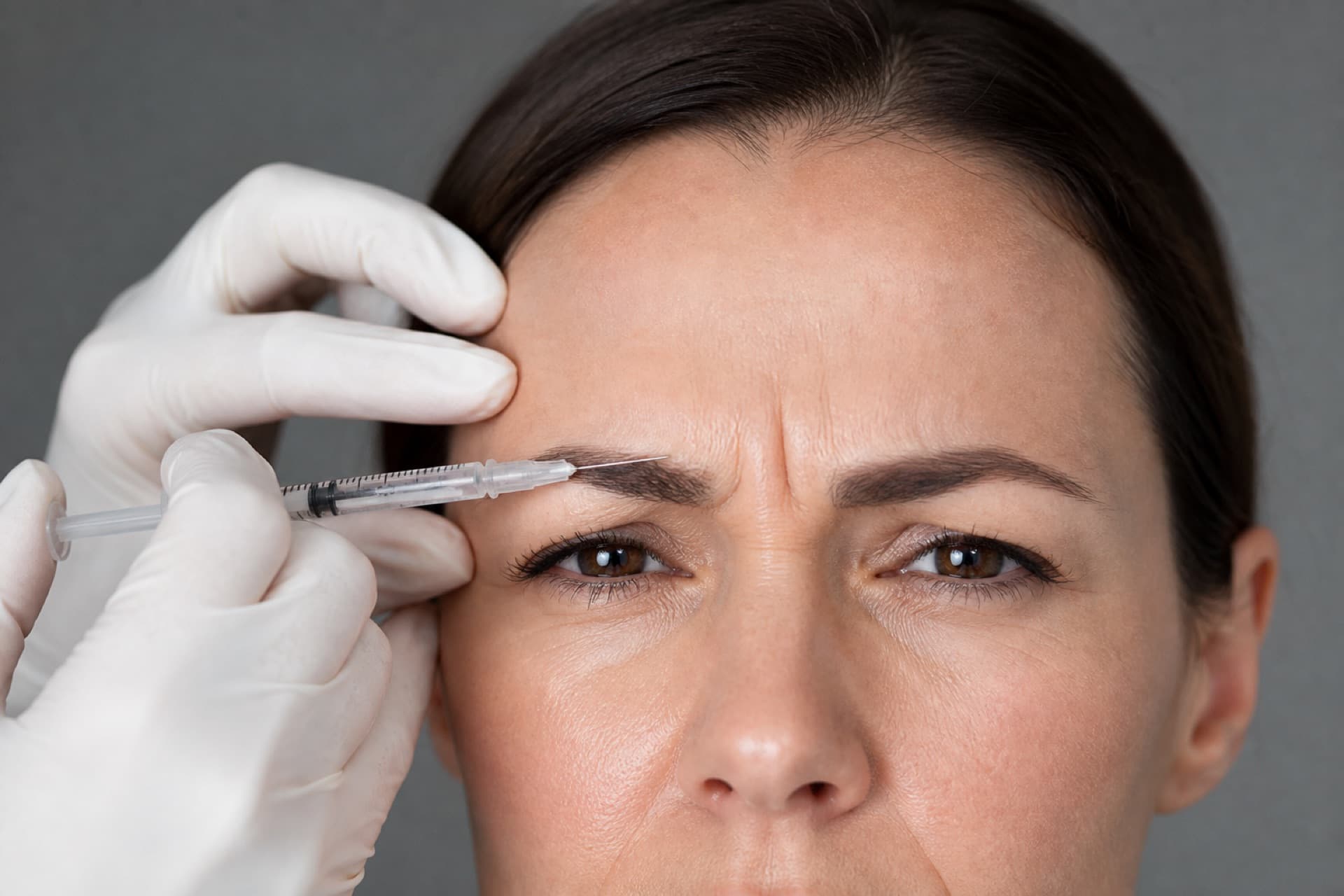
How Botox Is Performed
Neuromodulation & Expression Analysis
Botox
- Individual muscle-strength and proportion analysis
- Balanced softening — not a frozen face
- Licensed product; vial opened with the patient
- Fine-tuning at the day 10–14 review
Botulinum toxin type A temporarily reduces acetylcholine release at the neuromuscular junction. The aim is not paralysis but balanced control of over-contraction in the forehead, glabella, periocular area, masseter and selected neck points. Onset is 3–5 days, peak at 10–14 days. Only Turkish Ministry of Health–licensed vials are used and opened with the patient present.
Personal consultation
Muscle, volume and skin quality are assessed together; product, dose and indication are planned individually.
Procedure at a glance
Not switching the muscle off — modulating hyperactivity
Botulinum toxin type A temporarily affects SNAP-25 at the neuromuscular junction and reduces vesicular acetylcholine release. Contractile force falls; antagonists and superficial fat pads stay. Outcome therefore depends on injection anatomy and the dose-to-strength ratio. Static lines from gravity and laxity are not erased by toxin; those are discussed as volume, skin quality or surgery. Dynamic lines — muscle repeatedly folding the skin — are the true indication.
- 01Onset is usually 3–5 days; clinical peak is at days 10–14
- 02Facial effect typically lasts 3–6 months; masseter and hyperhidrosis may last longer
- 03For Dr. Hasan Kara the principle is preserving expression, not freezing the face
Aftercare timeline
Risks and Safety
- 01Temporary redness, swelling or a pinpoint bruise
- 02Headache (usually short-lived)
- 03Asymmetry (often correctable at days 10–14)
- 04Rare temporary eyelid ptosis
- 05Smile change (misplaced lower-face point)
- 06Rare dysphagia after neck treatment
The right indication, anatomical planning and careful technique reduce complication risk.
Procedures
- 01
Upper-face expression plan
Softening forehead, glabella and crow’s feet while keeping frontalis–glabellar–orbicularis balance.
- 02
Masseter / bruxism
Reduces excess masseter force while protecting chewing; aesthetic slimming becomes clear at 6–8 weeks.
- 03
Platysma / Nefertiti
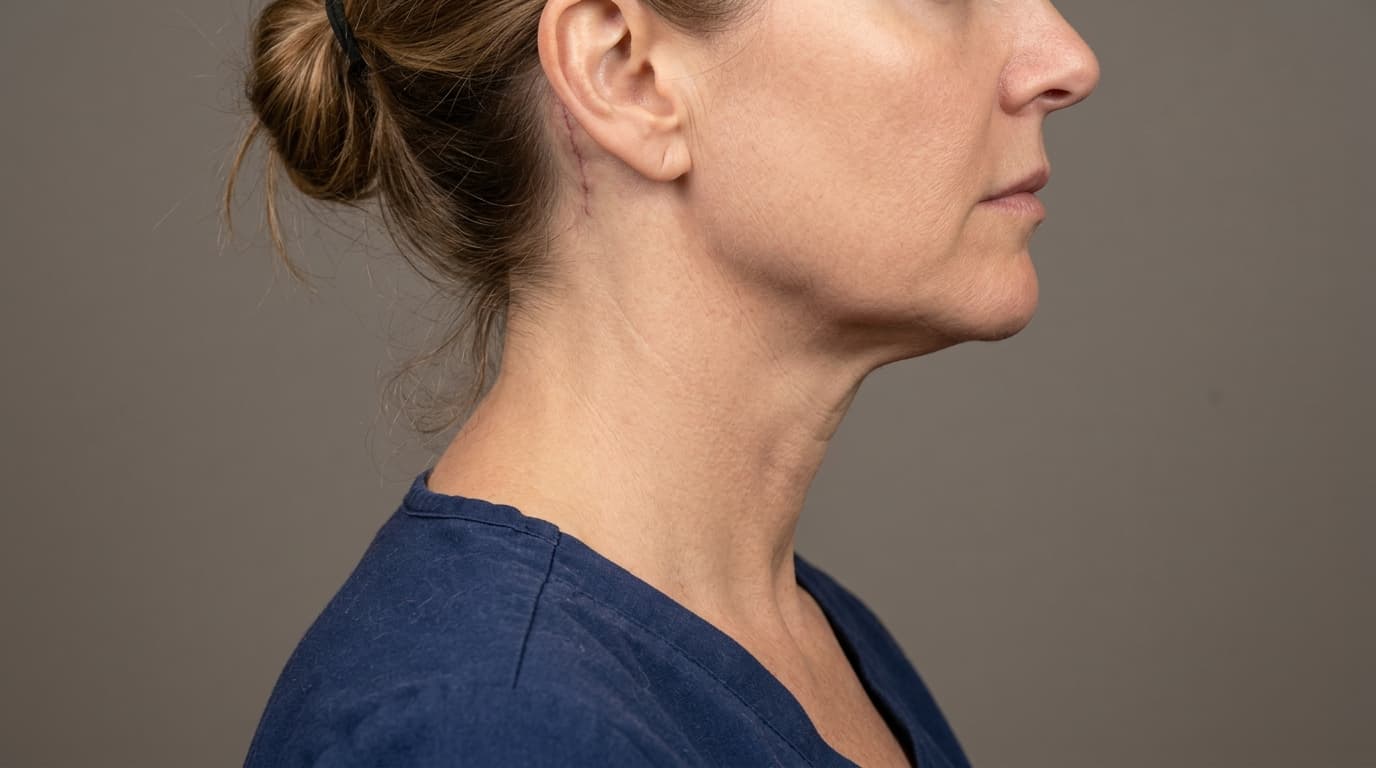
Selected points in platysma bands to support the lower face — not an alternative to a surgical neck lift.
- 04
Hyperhidrosis
Regional block of sympathetic drive in axilla, palms or soles to reduce sweat and odour; effect 6–9 months.
Frequently Asked Questions
Ready to start your journey?
Book a private consultation with Op. Dr. Hasan Kara.