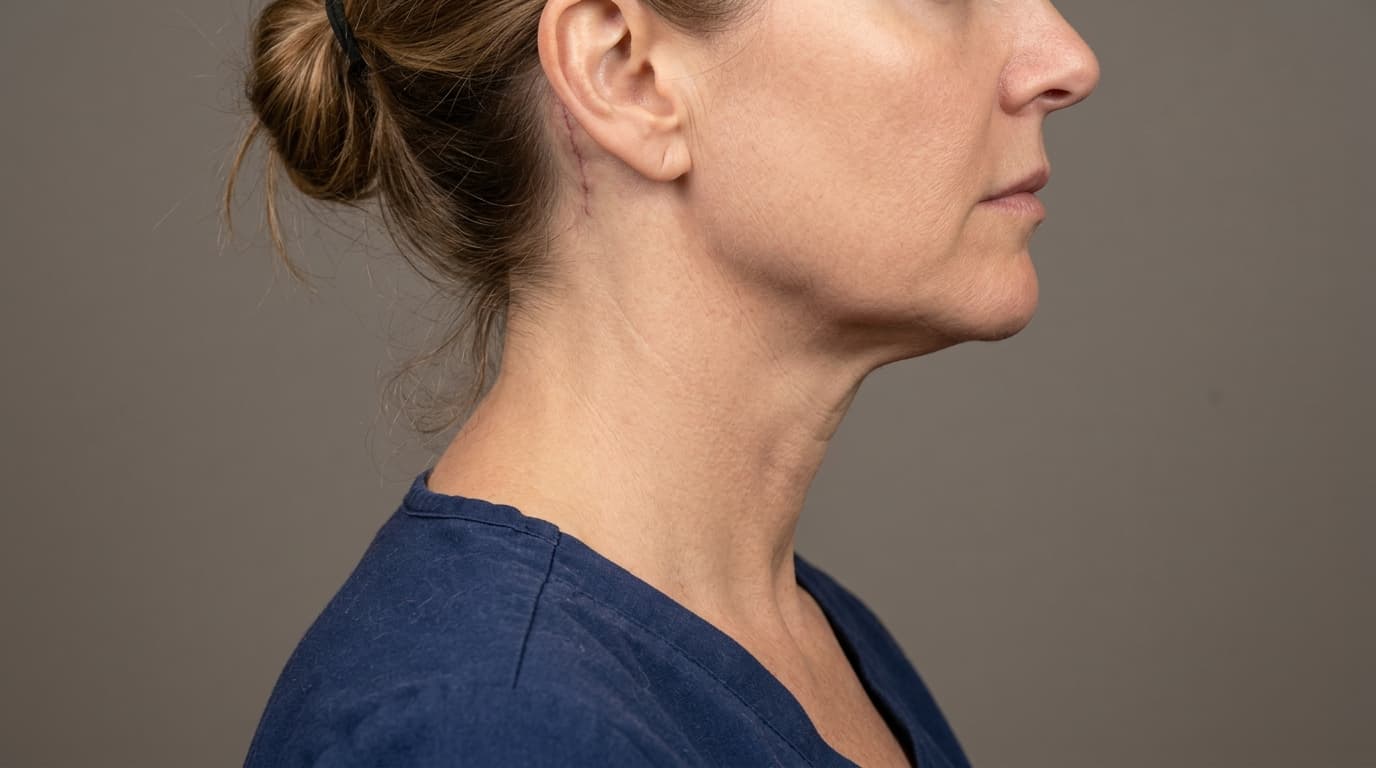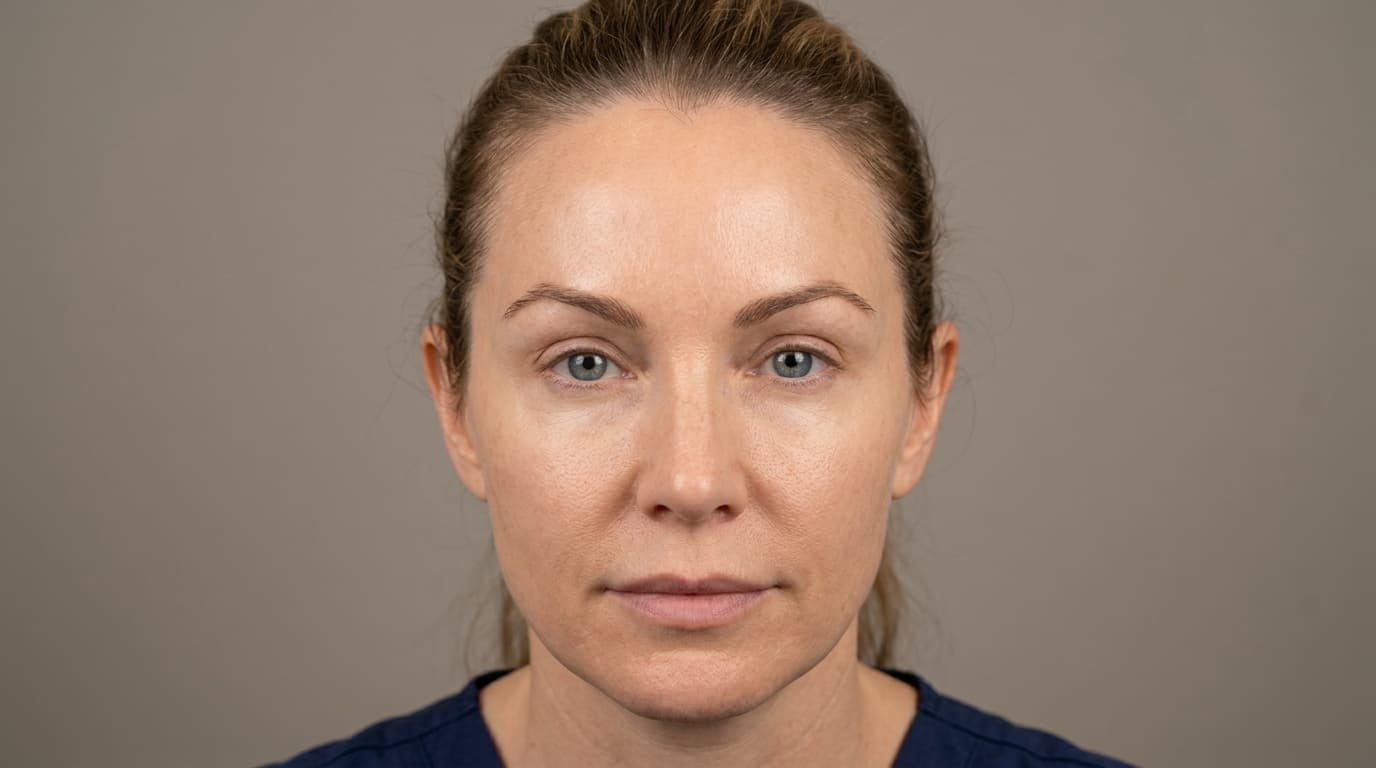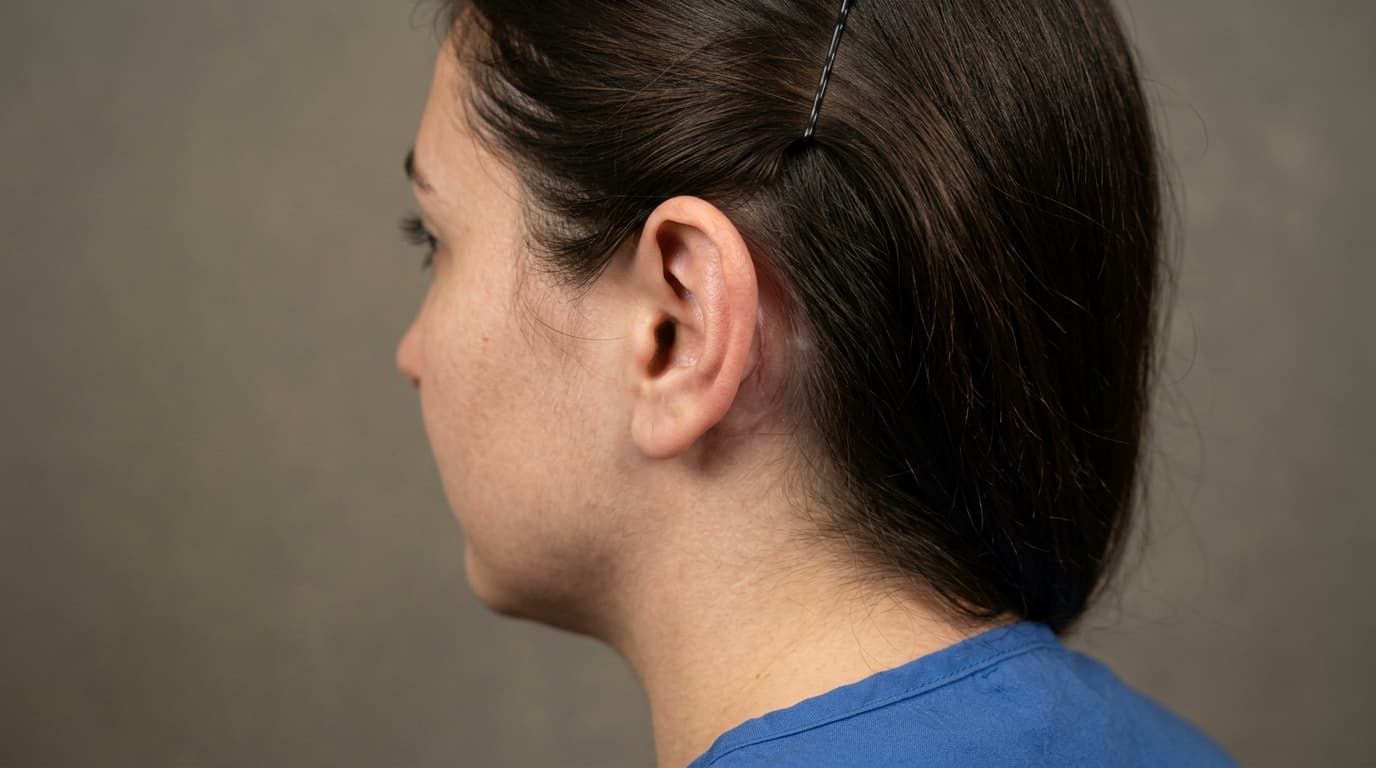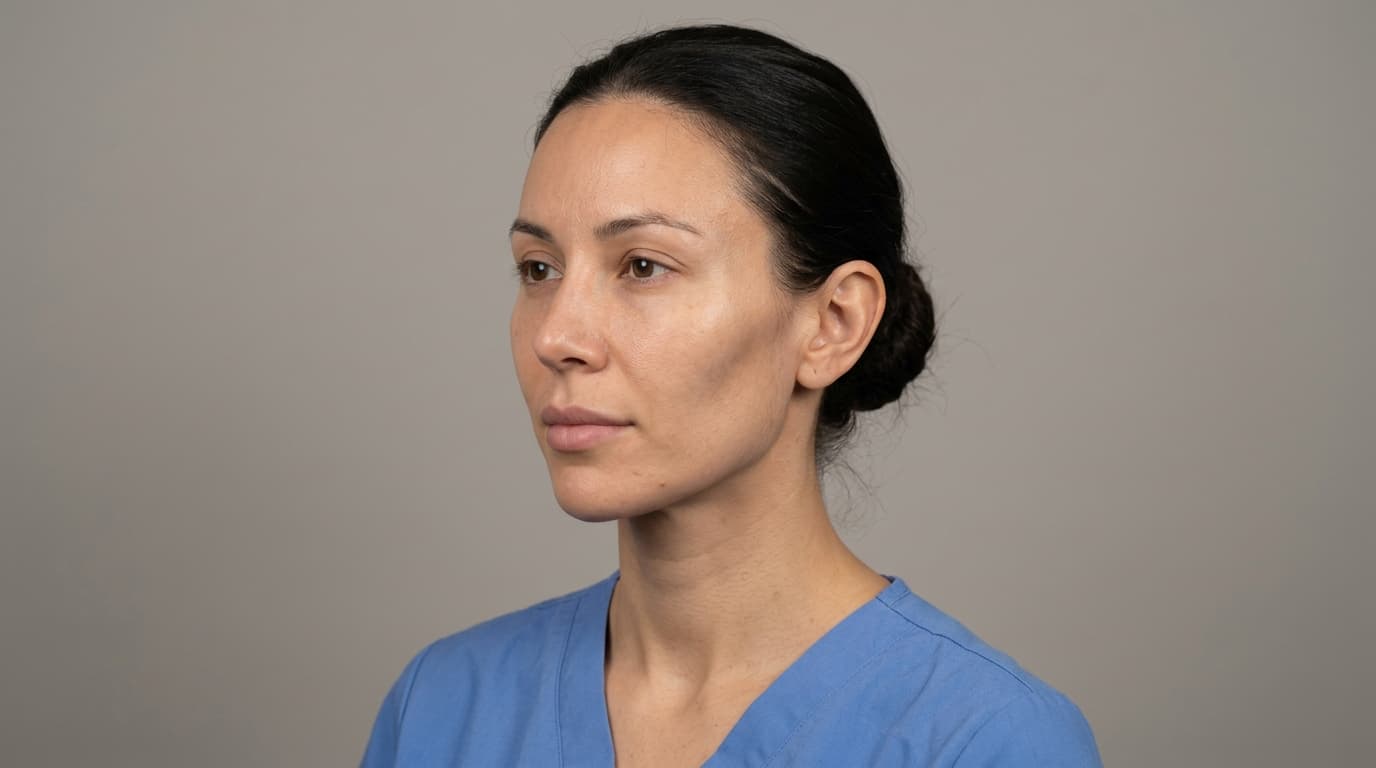
The buccal fat pad (Bichat) is a deep compartment between masseter and buccinator. Removing it can contour selected round faces that want submalar definition. The warning on our buccal-fat page is the reverse: not every wish for ‘thinner cheeks’ belongs to this pad.
Who is a candidate?
Good skin quality, adequate skeletal support, submalar fullness that truly comes from the pad, and no expected major weight loss or deep ptosis. The pad’s dynamic contribution in the smile is seen on examination.
Who should not have it?
A thin face, early jowl, already hollow temporal and malar compartments, an aggressive weight-loss plan. Fat pads thin with age anyway; buccal fat taken too early can leave a skeletonised midface in the forties. Filling that later with filler or fat grafting does not put a removed deep pad back in its exact place.
Surgical note
An intra-oral incision has the advantage of no skin scar; the parotid duct and facial-nerve branches are on the map. Asymmetric removal distorts the smile. The operation is not ‘cheek liposuction’; superficial fat and the deep pad must not be confused.
Masseter botulinum can narrow the lower face; it does not remove the Bichat pad. Building a ‘cheekbone’ with filler can mask an emptied pad but does not prevent a skeletonised face ten years later. Removal just before a weight-loss programme leaves later collapse.
Consultation photographs at 45 degrees and in a smile separate pad fullness from oedema or superficial fat. ‘Take it now, fill it later’ is not physiology.
In short
Bichat removal is a contour tool in a selected round face. In a thin face that will age, it is early hollowing. Indication is read from the midface in ten years, not from an Instagram jawline.