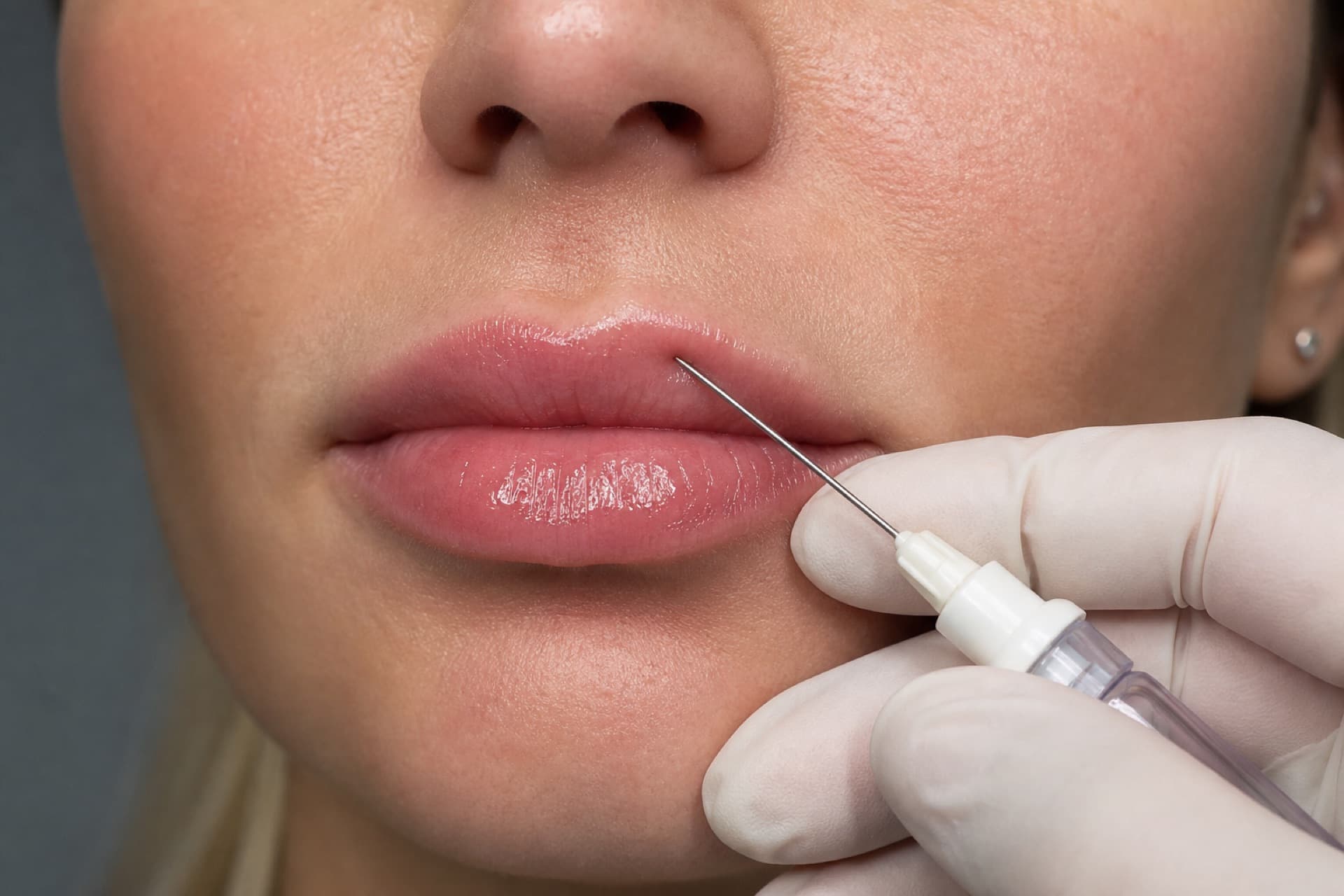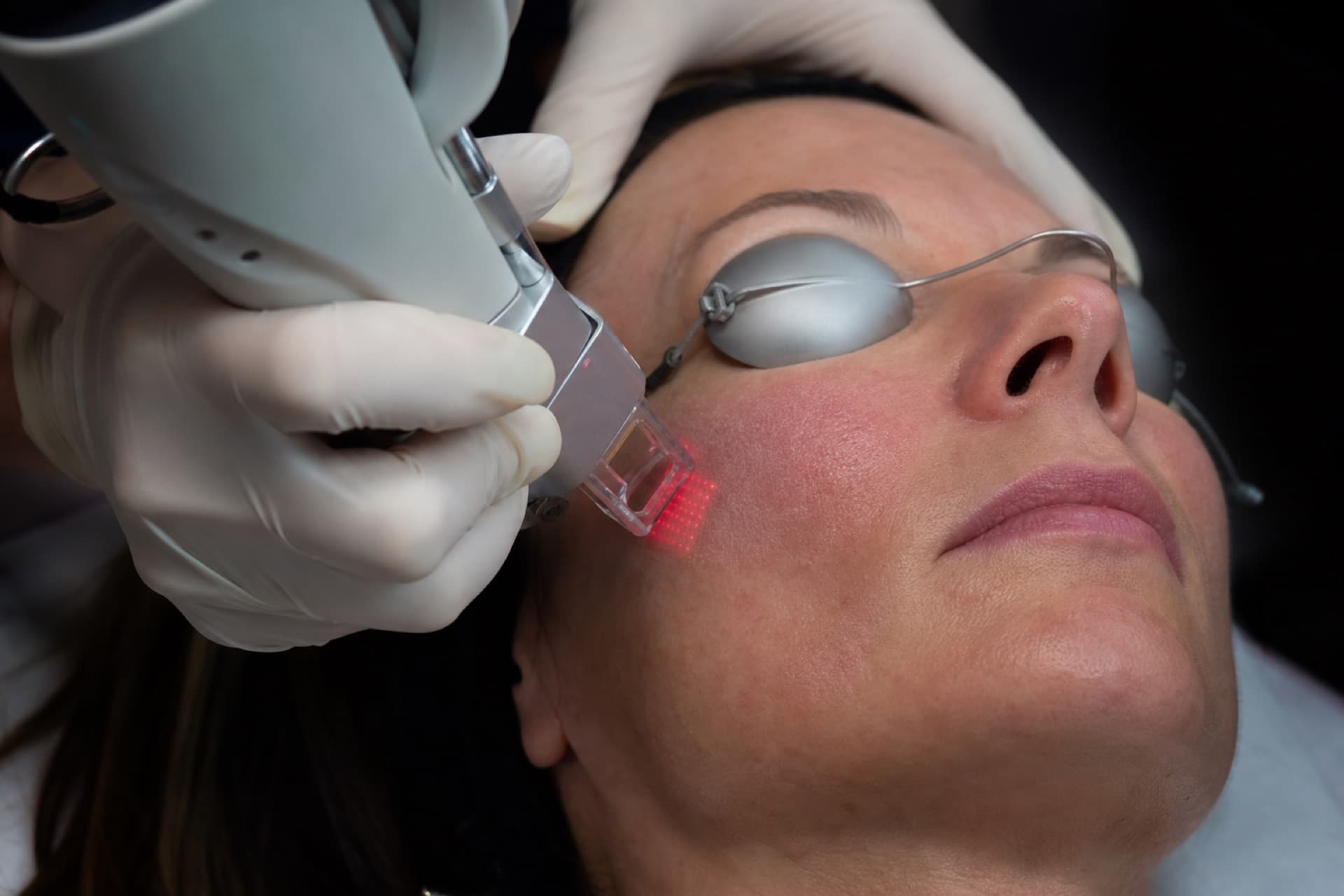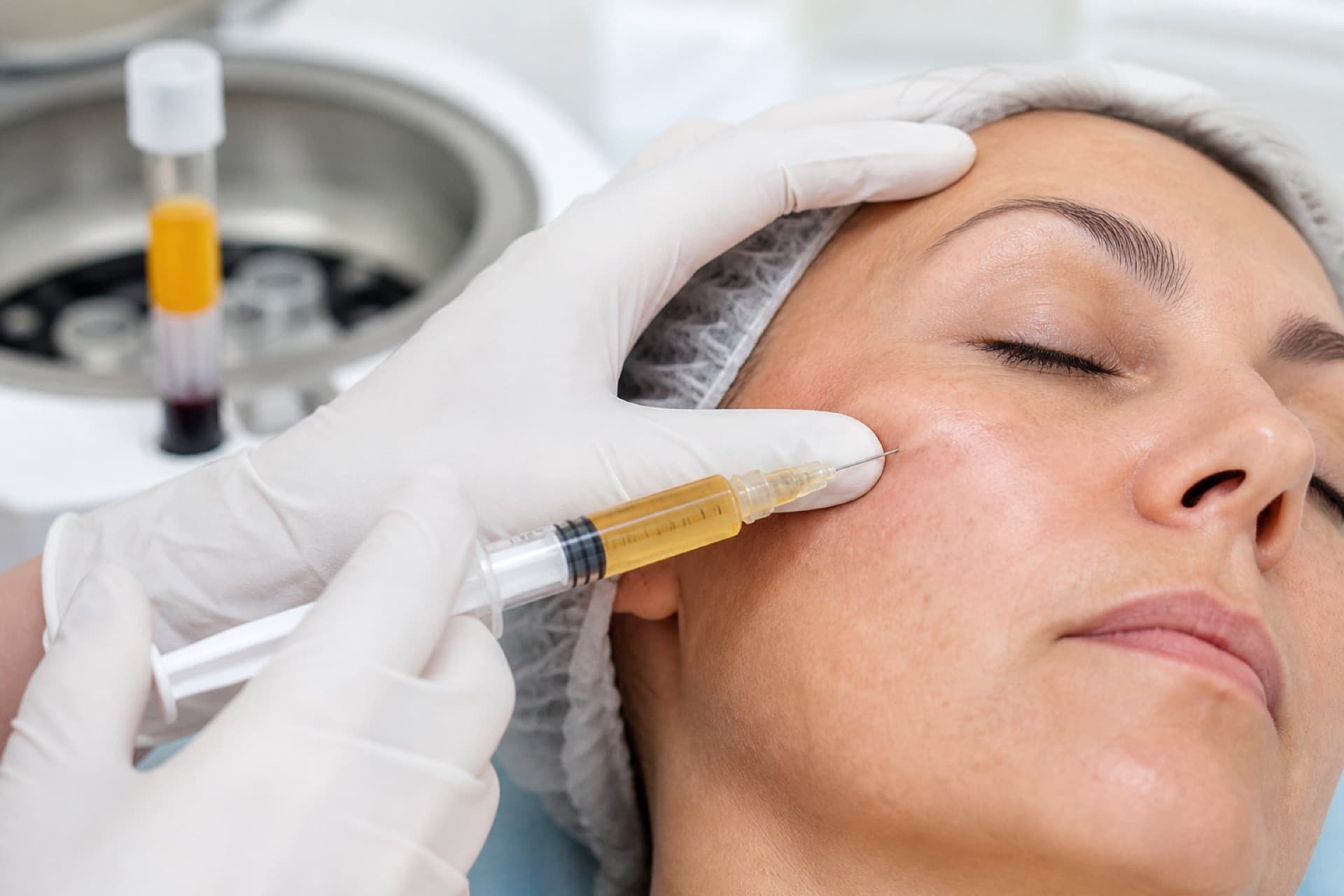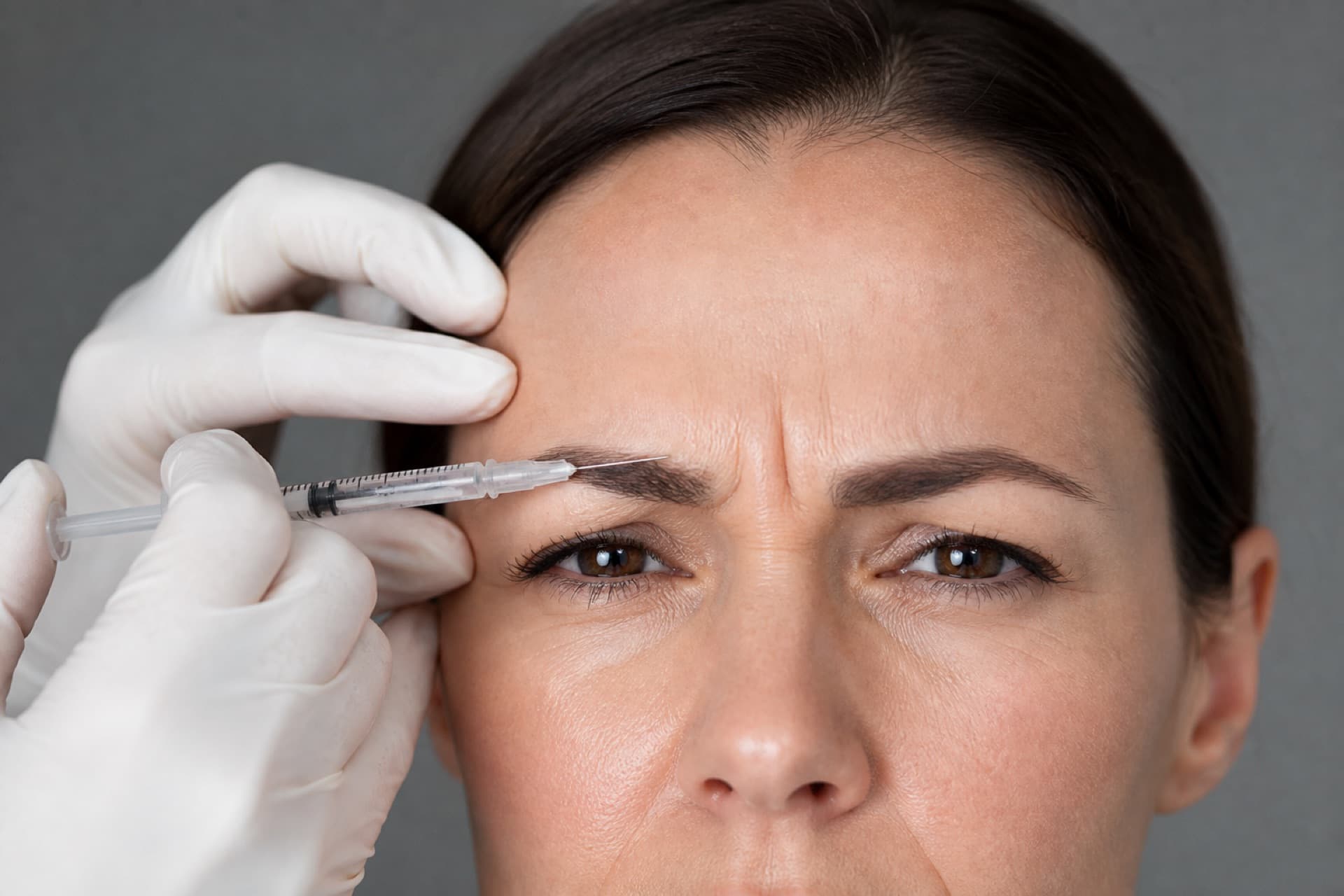
Botulinum toxin type A temporarily affects SNAP-25 at the neuromuscular junction and reduces acetylcholine release. Muscle force falls; antagonists and fat pads stay. Outcome therefore depends on injection anatomy and the dose-to-strength ratio. That is the sentence on our botox page: not switching the muscle off, modulating hyperactivity.
Dynamic versus static
A dynamic line is muscle folding skin — glabella, crow’s feet, forehead. Toxin is indicated there. A static groove remains at rest, from gravity, photodamage and volume loss. Toxin cannot ‘erase’ it; filler, laser, surgery or acceptance are discussed. Mixing the two produces excess frontalis dose and brow ptosis.
Timeline
Onset is 3–5 days, peak at 10–14 days, typically 3–6 months on the face. Masseter force falls in about a week; aesthetic slimming from atrophy is clear at 6–8 weeks. Hyperhidrosis may last 6–9 months. The day 10–14 visit is for small balancing doses if asymmetry appears.
Units are not interchangeable across brands. OnabotulinumtoxinA, abobotulinumtoxinA and incobotulinumtoxinA are different molecules. In clinic, vials licensed by the Turkish Ministry of Health are opened with the patient.
Masseter, neck, sweat
The aim is not to paralyse masseter but to balance over-contraction and keep chewing. A misplaced point distorts the smile. Temporalis contributes volume; uncontrolled dose can hollow the temple.
Platysma (Nefertiti) touches the dynamic part of bands; it is not a neck lift. Rare dysphagia after neck treatment makes dose discipline mandatory.
Axillary hyperhidrosis regionally blocks sympathetic drive. Thermoregulation depends on eccrine glands across the body; the underarm is a small fraction of that population.
Who should not have it?
Pregnancy, lactation, active infection, myasthenia and similar junction diseases. Aminoglycosides may potentiate effect.
In short
Toxin is the medicine of the dynamic line, not of sagging. A frozen face is a failure of anatomical planning, not ‘the nature of botox’.