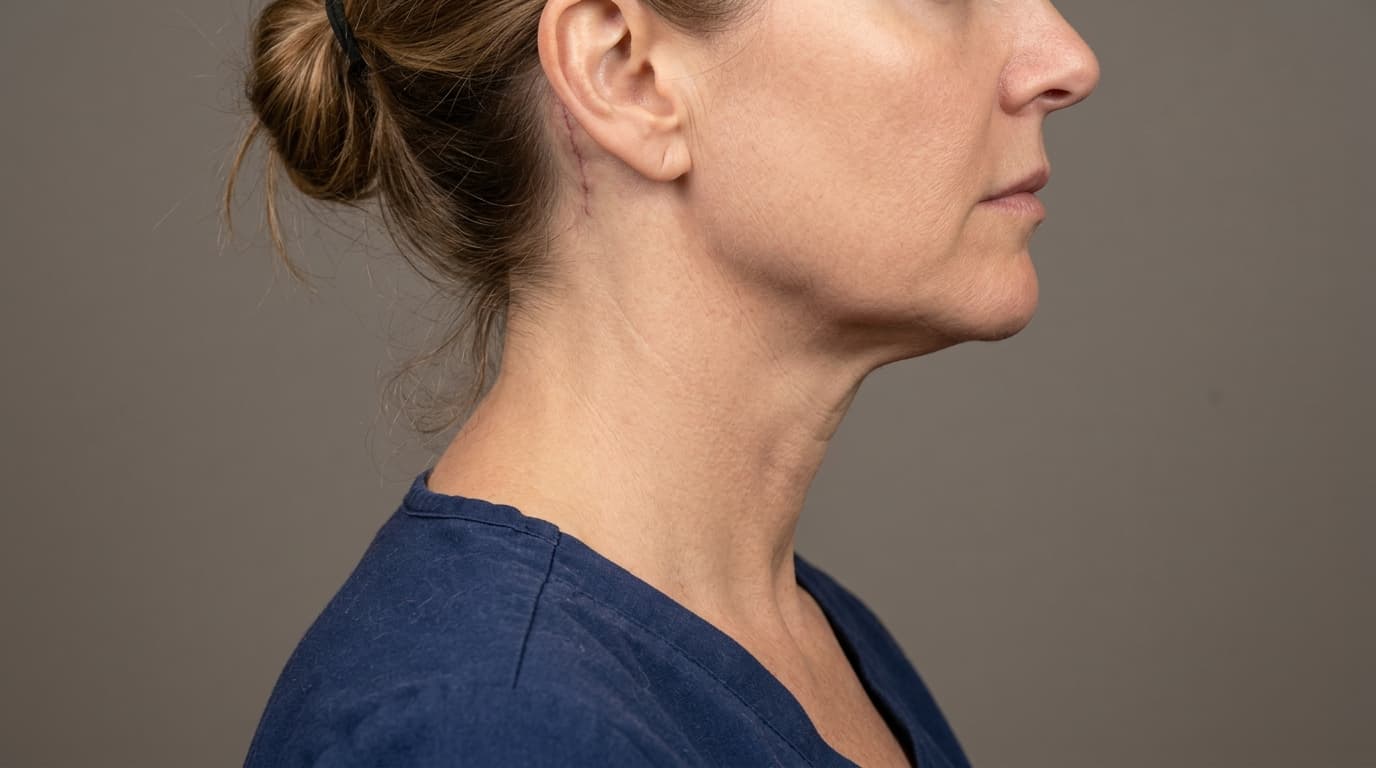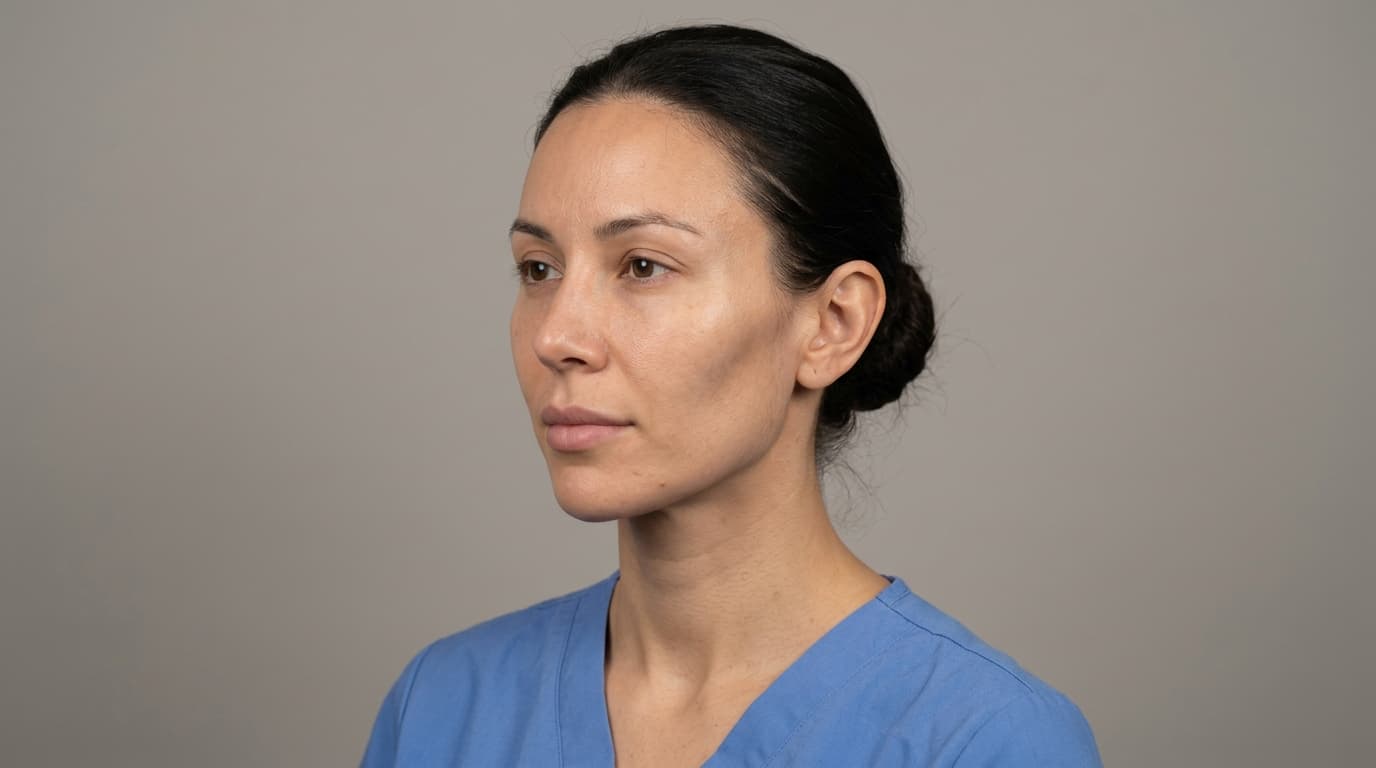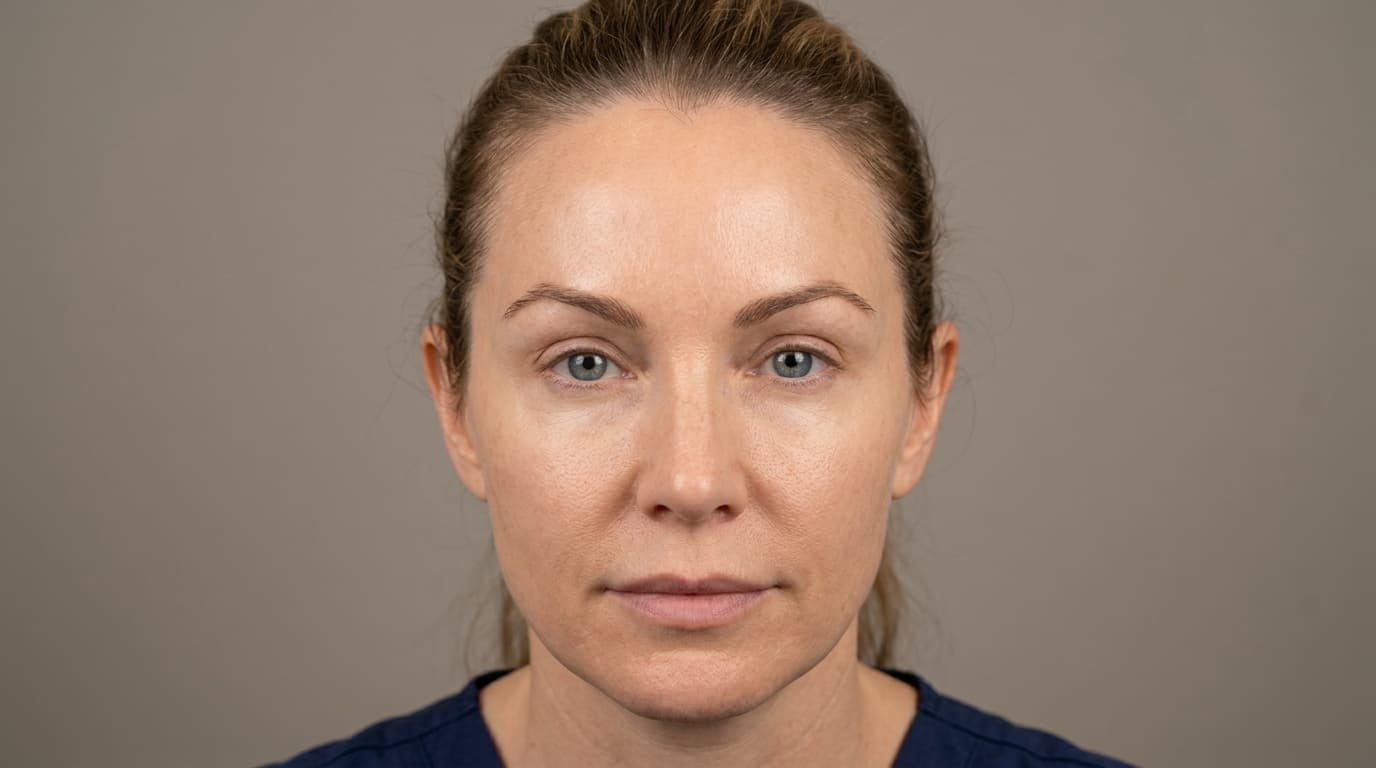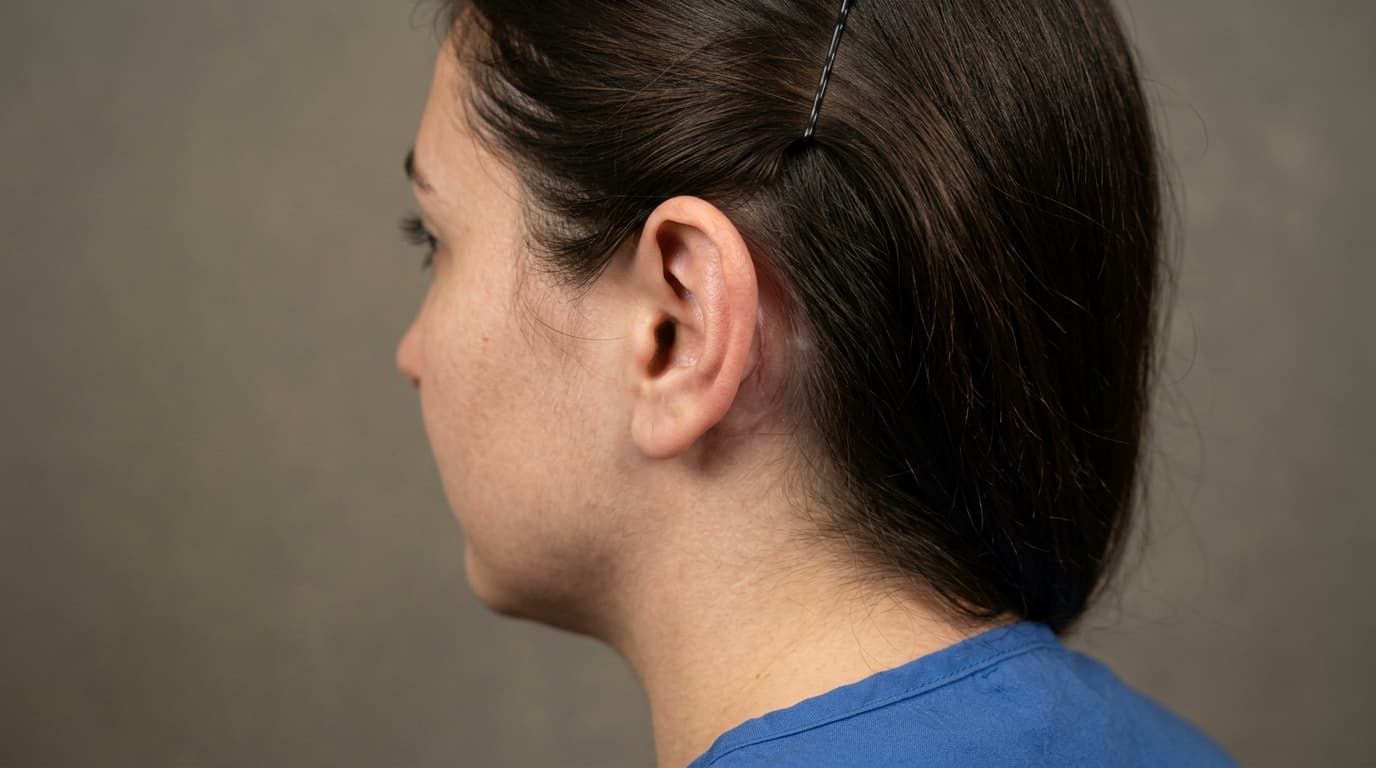
Prominent ears sit away from the mastoid because the antihelical fold is deficient and/or the concha is deep. The surgery on our otoplasty page is not ‘making the ear smaller’ by cutting cartilage; it is rebuilding fold and setback.
Why neonatal moulding, why surgery around school age?
In the first weeks cartilage is soft under oestrogen effect; non-surgical moulding may still work. That window closes. For surgery, cartilage should be mature enough and the child close to cooperation — often late preschool / school age. In adults cartilage is stiffer; the principle is the same, recovery and motivation differ.
Technique and scar
A posterior (behind-the-ear) incision is hidden in the mastoid groove. Sutures create an antihelix and set the concha back; excess tension can produce a ‘telephone ear’ deformity. Asymmetry asks that both ears be planned together.
Recovery
Dressing protocol is surgeon-specific; a night band reduces friction. Contact sport and over-ear headphones are limited for weeks. The scar is hidden on the back surface; hypertrophic-scar risk is discussed openly.
Adults who missed childhood surgery often come with confidence, glasses or hairstyle complaints. Cartilage may be more calcified; suture work is supported by scoring or excision manoeuvres. The result is not a ‘small ear’ but projection in proportion to the head. Unilateral prominence still requires measuring the other ear; otherwise a new asymmetry is built.
School bullying is an emotionally real indication; the decision remains a shared judgement of child, parent and physician. Forcing an unwilling child early undermines wound care.
In short
Otoplasty is surgery of cartilage geometry. Timing is chosen between the soft neonatal window and mature cartilage; ‘the earlier the better’ is not true at every age.