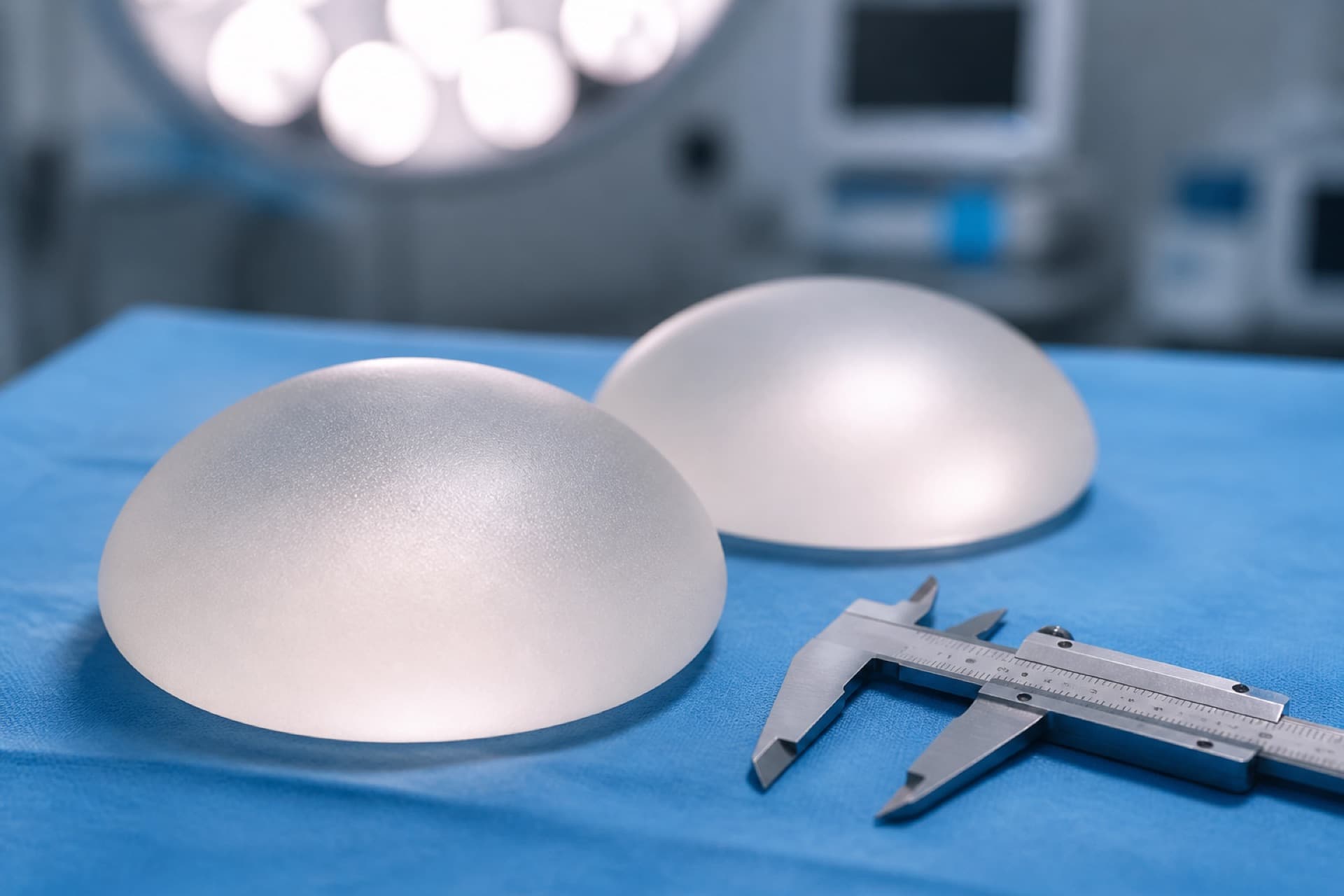
Pregnancy can leave rectus diastasis, skin excess, a change in breast volume–ptosis and stubborn fat pockets. A mommy makeover combines those units in one plan — often abdominoplasty and breast surgery. Timing is not aesthetic hurry; it is the physiology of wound healing, thrombosis risk and future pregnancy.
Why not immediately?
Lactation changes the breast hormonally and in volume. If weight is still falling, a tummy tuck tightens skin that will loosen again. The split between mini and full abdominoplasty depends on examining diastasis and skin excess; that exam is not final before pregnancy has ended.
A practical threshold in most clinics: weight stable for some months after birth and the end of breastfeeding, and a clear plan about future pregnancy. A fixed month count is individual; ‘operate in the third month’ is not a safe memorisation.
One session versus separate sessions
One session offers one anaesthetic and one recovery; duration, blood loss and thrombosis risk rise. Long combined cases need anticoagulation strategy, early mobilisation and a proper facility. A surgeon may split the plan with a stated reason — that is safety judgement, not a lesser service.
Liposuction can complete the flanks; in the same session as a tummy tuck it is limited so abdominal skin perfusion is preserved.
Later pregnancy
A tummy tuck and a breast lift stretch again in a later pregnancy. Elective combined surgery before family planning is finished leaves a second operation on the table.
In short
A mommy makeover is not a package discount; it is timed surgery of anatomical units. A lift performed before weight and lactation have settled races against physiology.