An ageing face does not fit one word, ‘sagging’. Gravity and ligament laxity carry deep soft tissue (SMAS and fat compartments) downward; bone and deep pads lose volume; expression muscles repeatedly fold the skin. Those three mechanisms need different tools. A one-session ‘non-surgical facelift’ usually erases the distinction.
Reading the face in three layers
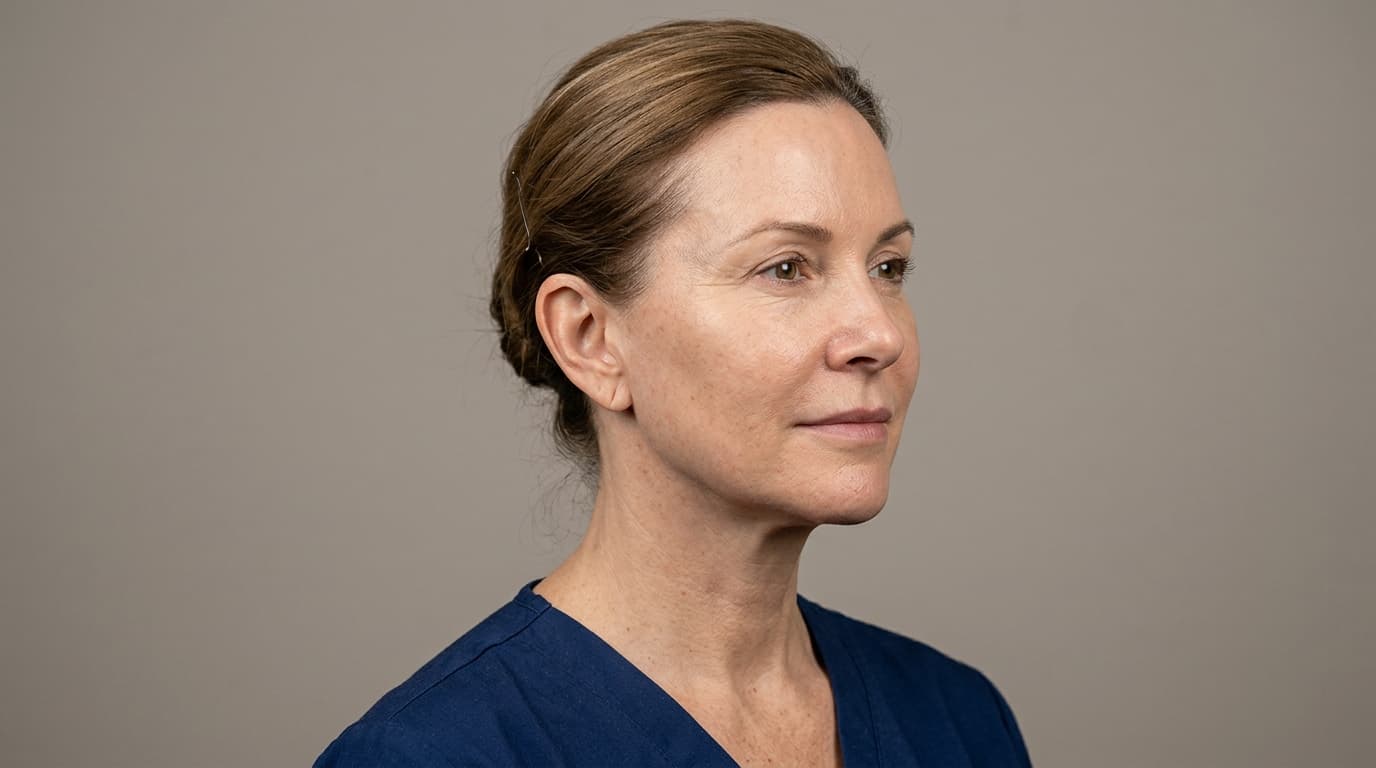
A deep-plane facelift releases retaining ligaments and moves deep tissue onto a youthful vector; excess skin is removed if present. That is a different biomechanics from a short-lived glow obtained by pulling skin. The facelift indication on our service page is exactly this structural ptosis.
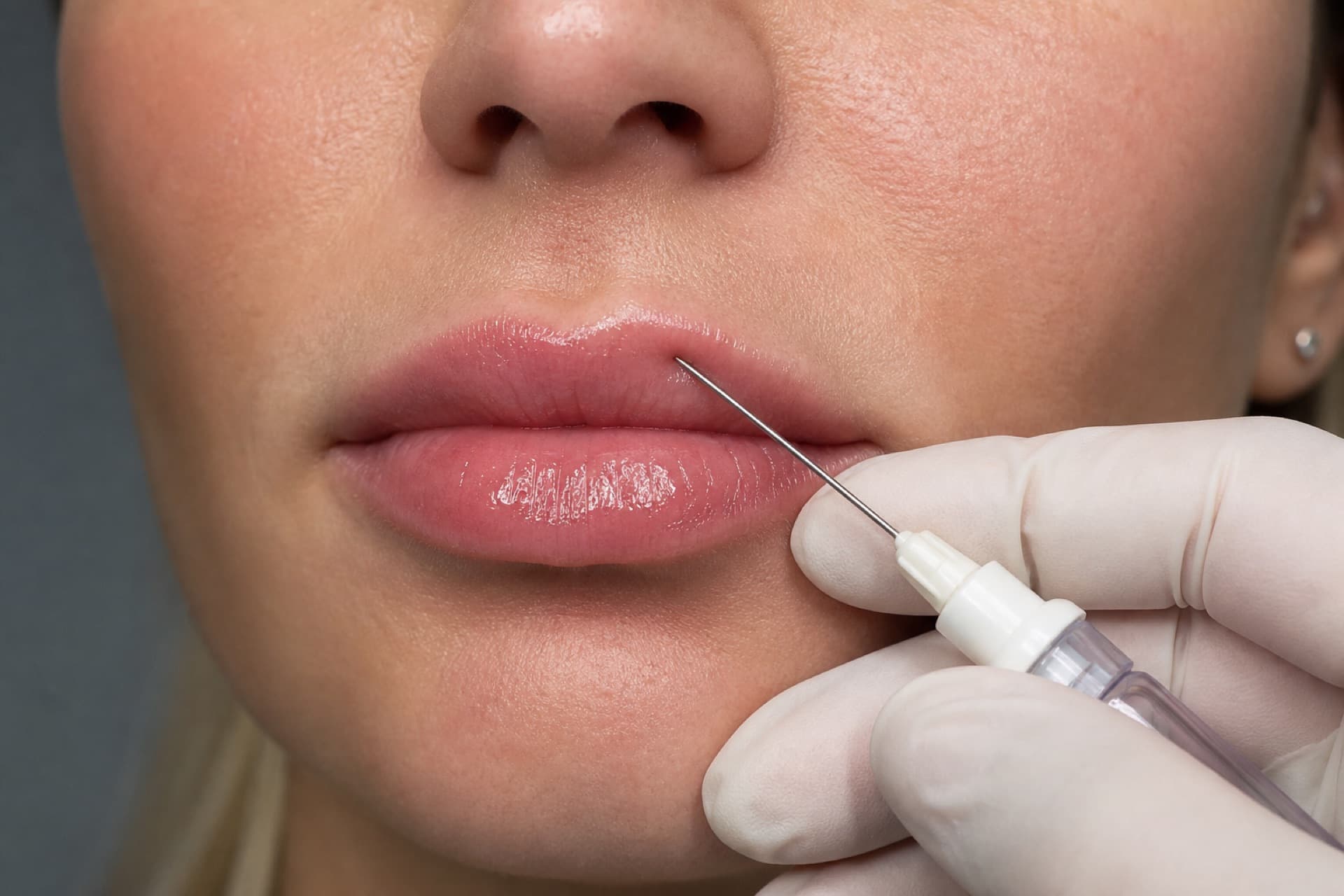
Hyaluronic acid filler places gel in an emptied compartment. In many patients the nasolabial fold is the shadow of lost midface support; packing the fold does not lift a descended malar pad. Filler is a volume and groove tool.
A thread lift seats absorbable suture on a subcutaneous vector. In early, mild jowl with preserved elasticity it can give a modest hold. It does not release ligaments or excise skin. It is not a ‘light’ deep plane.
Botulinum toxin reduces acetylcholine at the neuromuscular junction. It softens a dynamic line; it does not lift gravitational ptosis. Paralysing frontalis to erase forehead lines can worsen brow descent.
Who is a surgical candidate?
When the following coexist, an office treatment is delaying makeup, not the solution:
- Marked jowl and a blurred mandibular border
- Platysma bands and a lost jaw–neck angle
- Midface descent over the malar eminence
- Obvious skin excess on pinch testing
This picture is often planned with a neck lift in the same session; isolated submental liposuction can worsen sag when the skin is loose.
Who benefits from office care?
If volume loss leads, the skin can still redrape, and ptosis is millimetric, filler, toxin and selected threads are meaningful. Dynamic glabella and crow’s feet are toxin indications independent of volume. In early photoageing, laser, PRP or mesotherapy are quality tools — not vector tools.
What to ask in consultation
Ask which layer the surgeon thinks you belong in. ‘Both filler and a lift’ is sometimes true (volume and ptosis are separate) and sometimes sales language. Photographs, a pinch test and a vector explanation at the mirror replace the slogan.
In Dr. Hasan Kara’s approach the order follows anatomy: if ptosis is present, surgery is discussed first; if only volume and expression are present, an office plan is built. The reverse — millilitres of filler on a surgical candidate — distorts proportion and soils expectation even if it does not make later surgery impossible.
In short
A facelift repositions SMAS and skin. Filler fills a compartment. Threads are a bridge in early ptosis. Toxin modulates muscle. When four tools are sold in one sentence, the patient spends money and time on the wrong layer.